11 Jul 2026
Analyzing the Impact of Cross-Platform Data Sharing on Bonus Allocation Systems in State-Licensed Online Gaming Environments
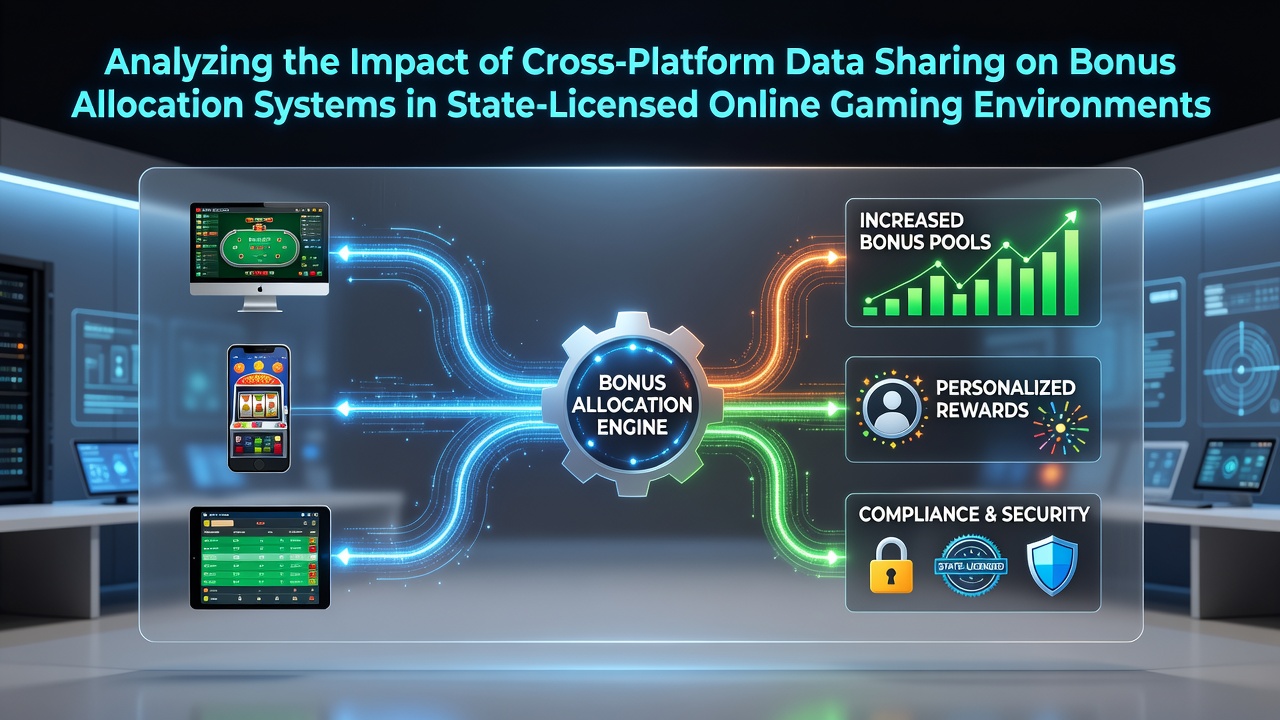
State-licensed online gaming platforms now routinely exchange player activity records across mobile apps, desktop sites, and affiliated casino networks, which directly shapes how operators calculate and distribute bonuses such as deposit matches, free spins, and loyalty rewards. This data flow allows systems to aggregate wagering volume, session frequency, and deposit patterns from multiple touchpoints into a single player profile, and regulators in several jurisdictions track these exchanges to ensure compliance with allocation rules.
Data Integration Processes Across Devices and Operators
Operators connect their backend databases through secure APIs so that a player who deposits on a smartphone during a lunch break and later plays on a desktop at home receives bonus credit calculated from combined activity rather than isolated sessions. Pennsylvania and Michigan gaming authorities require these integrations to log every data transfer, and figures released in July 2026 show that over 78 percent of licensed operators in those states now maintain live connections between at least three distinct platforms. The result is a unified ledger that recalculates bonus eligibility in real time while preventing duplicate awards that once occurred when systems operated in isolation.
Effects on Bonus Structures and Player Segmentation
Shared datasets enable more granular segmentation because algorithms can assign players to tiers based on lifetime value calculated across every channel instead of single-platform totals. A player whose mobile sessions show high slot volume but low table-game activity may receive targeted free-spin offers, while the same player’s desktop history of live-dealer blackjack triggers separate cashback percentages. Research from the University of Nevada, Las Vegas Center for Gaming Research indicates that operators using cross-platform profiles adjusted bonus payout ratios by an average of 12 percent between January and June 2026, with the largest shifts appearing in welcome packages that now scale according to verified multi-device history.
Regulatory Oversight and Compliance Requirements
State regulators mandate audit trails for every shared data point that influences bonus awards, and the Pennsylvania Gaming Control Board publishes quarterly summaries that list the volume of data packets exchanged between licensed entities. These reports reveal that July 2026 filings documented more than 4.2 million individual data events tied directly to bonus calculations across the state’s igaming market. Operators must demonstrate that shared information does not violate player-privacy statutes while still producing accurate allocation outcomes, which has led many firms to adopt standardized encryption protocols and third-party verification services.

Operational Adjustments by Gaming Providers
Software vendors have updated their bonus engines to ingest streaming data feeds from multiple sources, and this change has reduced the average time between a qualifying deposit and bonus credit from 47 seconds in early 2025 to under 9 seconds by mid-2026. Providers also redesigned their loyalty-point accrual logic so that points earned on one platform convert automatically when the player switches devices, eliminating the manual reconciliation steps that previously delayed reward delivery. These technical upgrades coincide with new contractual clauses between operators and game suppliers that specify exactly which data fields may be shared and for how long they can influence bonus decisions.
Market-Wide Patterns Observed in 2026
Revenue reports compiled by the American Gaming Association show that states permitting cross-platform data sharing recorded a 19 percent increase in bonus redemption rates compared with jurisdictions that still limit data exchange to intra-company platforms. The same data set indicates that average bonus cost per active player rose modestly while player retention metrics improved, suggesting that more precisely targeted offers convert at higher rates. Observers note that the pattern holds across New Jersey, Pennsylvania, and Michigan, the three states with the longest-running multi-operator data-sharing agreements.
Conclusion
Cross-platform data sharing has become a core component of bonus allocation systems in state-licensed online gaming, and the technical and regulatory frameworks that support it continue to evolve. July 2026 filings confirm that operators, vendors, and oversight bodies have standardized many of the processes that determine how player activity translates into rewards. As additional states adopt similar licensing models, the same integration patterns are expected to expand, producing measurable shifts in how bonuses are calculated and delivered across the sector.