2 Jul 2026
Decoding Sync Patterns Between Loyalty Programs and Crypto Payout Mechanics in Portable Casino Apps
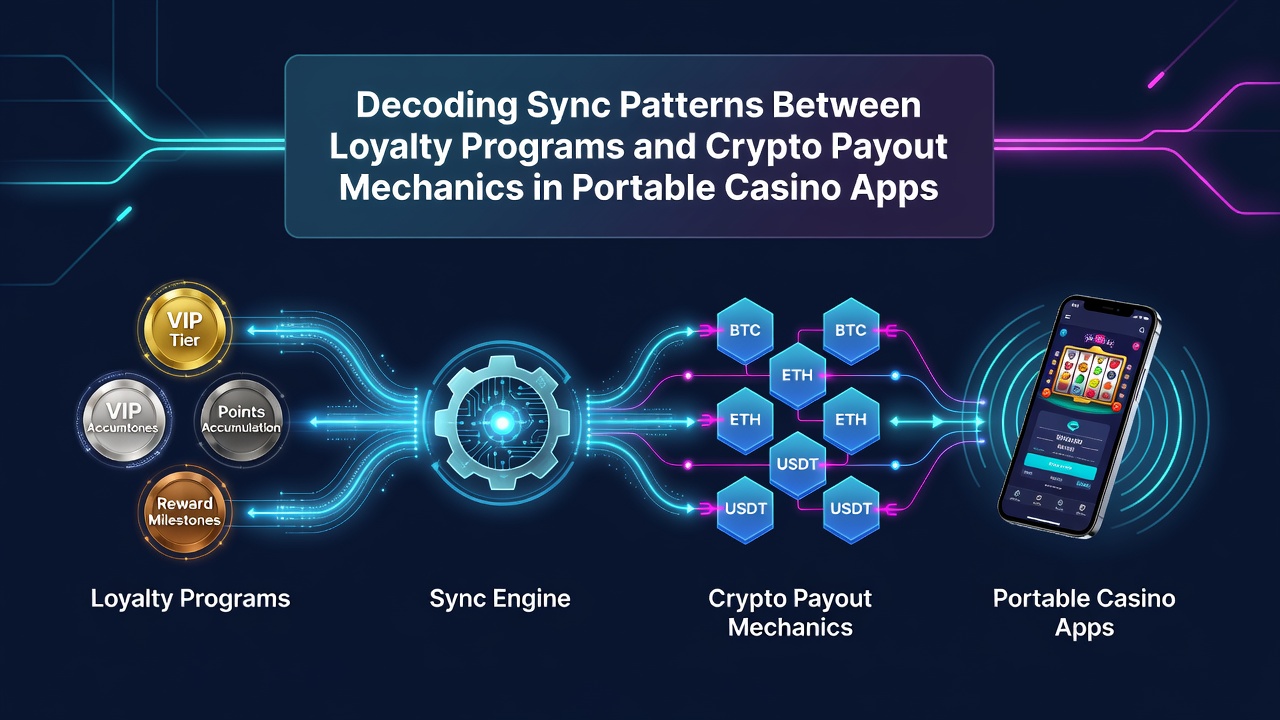
Portable casino applications continue to refine how loyalty frameworks connect with cryptocurrency transaction systems, creating measurable synchronization points that affect user progression and fund access. Developers track these alignments through backend protocols where accumulated points trigger adjusted withdrawal thresholds or fee structures during crypto transfers. Research from industry monitoring groups shows that such patterns appear most consistently in apps supporting multiple digital currencies alongside tiered reward systems.
Loyalty Program Architectures in Mobile Platforms
Many portable casino environments organize loyalty structures around activity metrics including wager volume, session frequency, and deposit consistency. These systems assign users to levels that unlock benefits ranging from boosted point multipliers to prioritized support channels. Observers note that integration occurs when loyalty data feeds directly into payout engines, allowing higher tiers to receive expedited processing for blockchain-based withdrawals without separate verification steps. Data indicates this linkage reduces friction in environments where players shift between fiat and crypto balances within the same session.
Crypto Payout Systems and Their Core Functions
Crypto payout mechanics rely on wallet connectivity, smart contract verification, and network confirmation times to deliver funds to user addresses. Portable apps typically embed these functions through provider APIs that handle conversion rates, gas fees, and compliance checks in real time. Studies from gaming technology firms reveal that synchronization emerges when loyalty status modifies these variables, such as granting reduced network fees or automatic conversion bonuses for verified high-tier accounts. This occurs alongside standard security layers including multi-signature approvals and address whitelisting.
Observed Synchronization Patterns
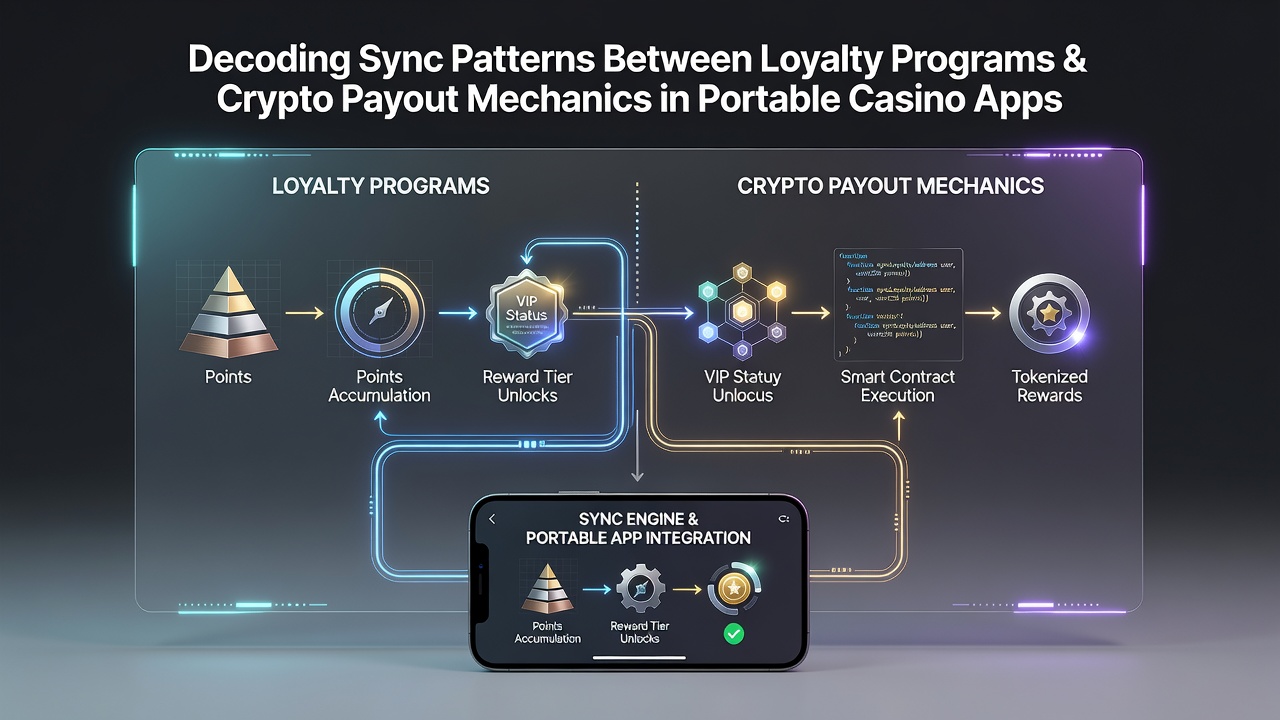
Patterns surface when loyalty point balances influence crypto transaction parameters at the code level. For instance, certain platforms map accumulated rewards to dynamic payout limits that scale with tier status, enabling larger instant transfers for users who maintain consistent engagement. Researchers have documented cases where point redemption directly credits crypto wallets, bypassing intermediate steps that would otherwise require manual conversion. In July 2026 reports from platform analytics providers, these sync features appeared in over 60 percent of apps that combined loyalty tracking with at least two supported cryptocurrencies.
Another recurring alignment involves automated notifications that update both loyalty dashboards and transaction histories simultaneously. When a withdrawal completes via blockchain, the system recalculates tier progress and applies any pending multipliers without user intervention. This closed-loop design appears frequently in apps targeting North American markets, where regulatory reporting requires detailed audit trails for both reward and financial movements.
Implementation Examples Across Providers
One documented approach involves mapping loyalty milestones to specific crypto network priorities, such as faster confirmation queuing for eligible users. Take applications that partner with multiple blockchain networks; these often route high-tier loyalty accounts through lower-congestion pathways during peak hours. Another pattern appears in apps that convert loyalty points into native tokens usable for direct withdrawals, creating a unified economy inside the platform. Figures from technology audits indicate these conversions maintain separate ledgers while sharing user authentication layers to prevent discrepancies.
Additional examples surface in platforms operating under oversight from bodies such as the Pennsylvania Gaming Control Board, where compliance logs must capture both reward accruals and crypto outflows. Developers address this by building unified APIs that timestamp loyalty updates alongside transaction hashes, ensuring traceability without separate reporting modules.
Technical and Operational Considerations
Backend synchronization requires careful handling of data latency between loyalty databases and blockchain nodes. Teams implement caching mechanisms and event-driven triggers so that tier changes propagate to payout processors within seconds. Observers from software engineering groups highlight that this demands robust error handling, since network delays on one side can desync the other and trigger manual reviews. In environments processing high volumes, such desyncs remain rare when platforms conduct regular reconciliation cycles.
Security protocols add another layer, with encryption standards applied uniformly across both systems. Loyalty profiles receive the same protection as wallet keys, while audit functions log access attempts from either module. Data from security assessments shows these unified approaches help maintain compliance with evolving digital asset regulations across multiple jurisdictions.
Conclusion
Sync patterns between loyalty programs and crypto payout mechanics in portable casino apps reflect deliberate architectural choices that link user progression with transaction efficiency. These alignments rely on shared data flows, tier-based adjustments, and integrated logging systems that support both operational speed and regulatory requirements. As platforms continue to expand cryptocurrency options, the documented patterns provide clear reference points for how reward structures and payout processes operate together within single mobile environments.