16 Jul 2026
Decoding synergies between game studios and digital finance tools shaping interface designs for state-licensed smartphone gambling sessions
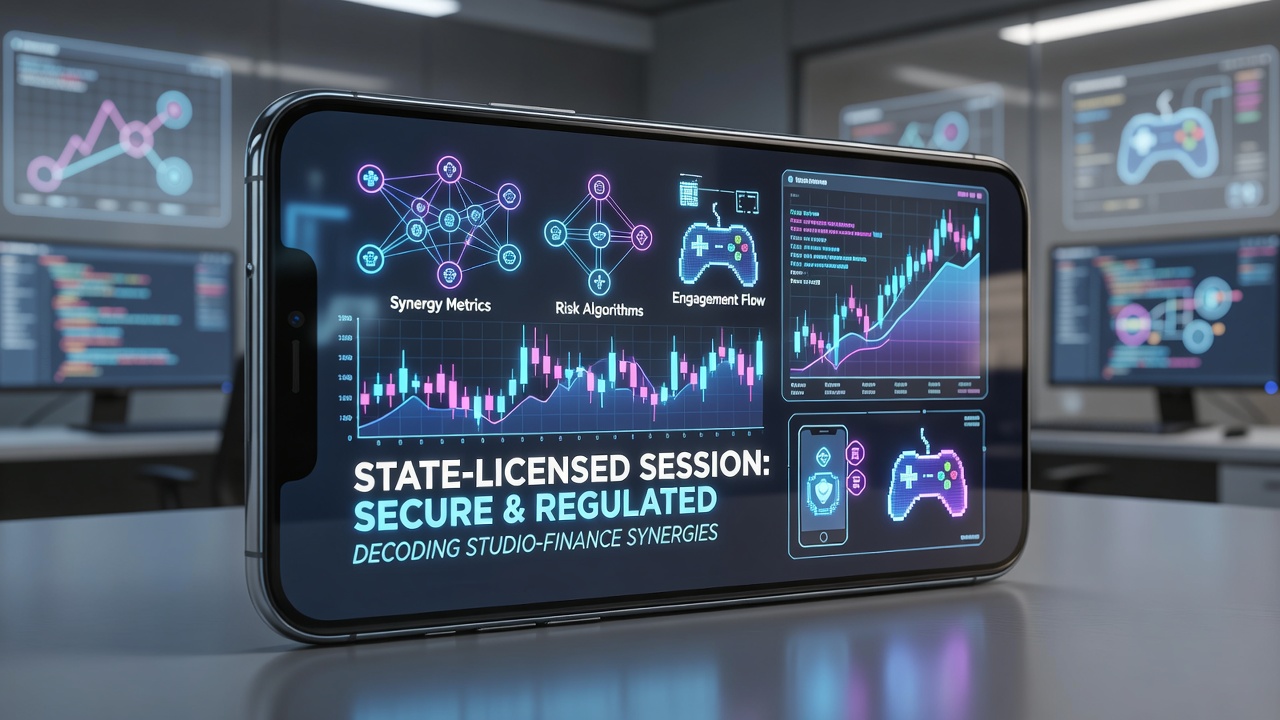
Game studios collaborate with digital finance providers to embed payment processing directly into mobile gambling interfaces, and these partnerships have produced layouts where wallet balances update in real time alongside slot reels or live dealer tables. State-licensed applications in markets such as New Jersey and Pennsylvania now feature unified screens that combine game controls with deposit prompts, reducing the number of taps required to move funds while complying with regulatory standards for transaction logging.
Interface Elements Shaped by Joint Development
Developers adjust button placement, color coding, and animation timing so that financial actions feel like natural extensions of gameplay rather than separate steps. Research from the American Gaming Association shows that mobile sessions in regulated U.S. markets grew by double digits through mid-2026, with interface updates credited for higher completion rates on deposit flows. Observers note that color gradients previously reserved for win celebrations now highlight available balance thresholds, guiding users toward responsible play limits without interrupting the session flow.
Payment API Placement and Visual Hierarchy
Studios position API triggers within familiar game menus, and finance teams supply data layers that populate those triggers with instant verification results. In July 2026 several platforms introduced floating balance indicators that remain visible during bonus rounds, a change traced to joint testing sessions between studio engineers and payment processors. These indicators draw from encrypted ledger feeds yet display in the same typography used for in-game scores, preserving visual consistency across the screen.
Regulatory Compliance Embedded in Design Workflows
Compliance teams from state agencies review interface prototypes before release, while studios and finance vendors incorporate required audit trails into the same code base that handles graphics rendering. Data from the New Jersey Division of Gaming Enforcement indicates that approved mobile titles completed an average of 14 interface revisions in the first half of 2026, many of them focused on clearer presentation of wagering limits and self-exclusion toggles. Designers therefore treat regulatory text fields as core layout elements instead of afterthoughts, positioning them at consistent screen coordinates across different game genres.

Those revisions often involve A/B testing that pits multiple finance-tool integrations against one another, and results feed back into iterative design sprints. One documented case involved a Pennsylvania-licensed poker client that merged a crypto wallet toggle directly into the chip-selection wheel, cutting average transaction time by several seconds according to internal platform metrics released that summer.
Cross-Platform Synchronization Patterns
Finance tools supply unified APIs that let studios maintain consistent account states whether a user switches between smartphone and tablet or between different licensed operators. Synchronization occurs through background calls that update session tokens without reloading game assets, preserving momentum in live dealer environments. Reports compiled by the Canadian Gaming Association document similar patterns in provincial markets, where synchronized interfaces reduced support tickets related to balance discrepancies by roughly one third during the spring and early summer of 2026.
Studios therefore design responsive containers that resize payment panels automatically when device orientation changes, while finance vendors handle the underlying state management. This division of labor keeps visual latency low even when multiple payment rails operate simultaneously inside a single session.
Future Interface Roadmaps Driven by Shared Data
Shared analytics platforms allow studios to correlate in-game behavior metrics with transaction success rates, producing heat maps that inform both game feature placement and finance prompt timing. These maps reveal clusters of activity around deposit buttons during specific bonus phases, prompting layout adjustments that align financial prompts with peak engagement windows. Academic studies from the University of Nevada, Las Vegas gaming research center have tracked how such data-driven refinements affect session duration across state-licensed titles, noting measurable shifts in navigation patterns once interfaces were updated.
Because the same datasets feed both creative and compliance teams, changes to visual hierarchy often satisfy multiple stakeholders at once. Developers can test new finance integrations inside existing game builds rather than creating separate modules, shortening release cycles for state-regulated updates.
Conclusion
The ongoing exchange between game studios and digital finance providers continues to refine how state-licensed smartphone gambling interfaces present both entertainment and transactional elements. Joint workflows have produced layouts that embed regulatory safeguards and payment options into core gameplay loops, while shared analytics guide iterative improvements across U.S. markets. As device capabilities and licensing frameworks evolve, these collaborations remain central to the technical architecture supporting mobile sessions.