15 Jun 2026
Detroit Casinos Post $114 Million Revenue in May 2026

Detroit’s three commercial casinos generated a combined $114.09 million in revenue during May 2026, according to figures released through industry tracking services. MGM Grand Detroit, MotorCity Casino, and Hollywood Casino at Greektown produced $113.31 million from table games and slots while retail sports betting contributed an additional $781,668. These totals reflect activity across all three properties operating under Michigan gaming regulations.
Revenue Composition and Sources
The bulk of the month’s performance came from traditional casino games, with table games and slots accounting for nearly all recorded income. Retail sports betting, offered through on-site windows at the properties, added a smaller but measurable segment. Observers note that this split aligns with patterns seen in prior reporting periods where core gaming floors drive the majority of returns while sports wagering grows incrementally.
Data shows the three venues maintained steady operations throughout the month, serving local patrons and visitors drawn to downtown Detroit entertainment districts. Each property contributes to the overall total without individual breakdowns released in the aggregate report, yet combined results provide a clear snapshot of market activity.
Comparisons to Prior Periods
Revenue rose 0.5 percent compared with May 2025, indicating modest year-over-year growth. At the same time, results fell 4.0 percent from April 2026 levels, a common seasonal shift observed in many gaming markets. Year-to-date performance through the first five months of 2026 stood 1.2 percent higher than the same period in 2025, suggesting gradual expansion across the calendar.
Those who track monthly filings often see such fluctuations tied to calendar effects, sporting event schedules, and broader economic conditions in the region. The May 2026 numbers fit within these established ranges without deviating from historical norms for the Detroit market.
Tax Contributions to State and Local Governments
The casinos remitted $9.18 million in state gaming taxes for the month, with additional payments directed to the city of Detroit under local agreements. These transfers support public services and represent a direct fiscal link between casino operations and municipal budgets. Michigan gaming regulations require such remittances on a monthly basis, creating predictable revenue streams for state and city accounts.
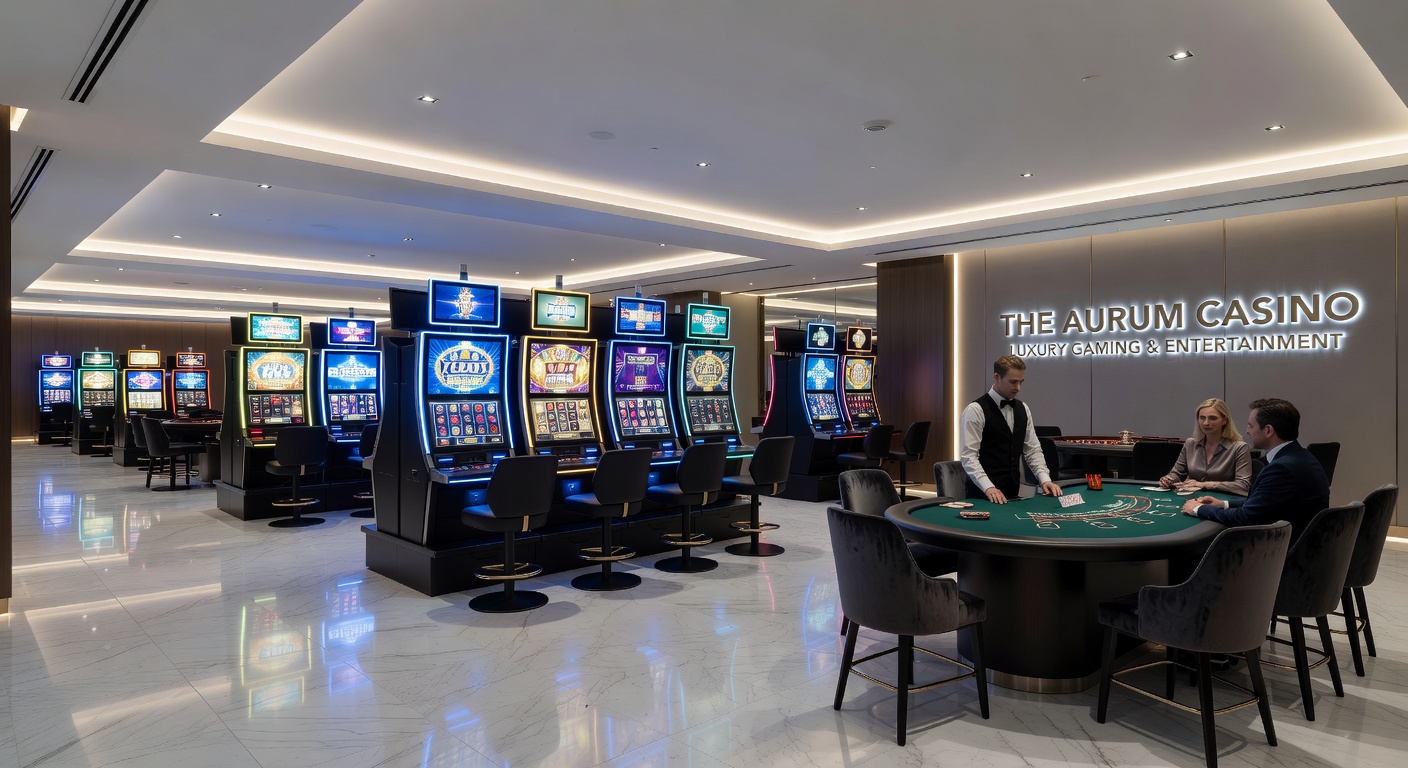
State taxes flow through the Michigan Gaming Control Board framework while local shares reach Detroit directly. Combined payments underscore the economic footprint maintained by the three properties within the city’s financial structure. Figures released for May 2026 continue a pattern of consistent contributions documented across multiple years.
Market Context in Mid-2026
As reporting for May concluded, industry participants prepared updates for June 2026 activity. The three Detroit venues operate alongside other Michigan gaming options yet remain the primary commercial casino cluster in the state’s largest city. Retail sports betting at these locations continues alongside table games and slots, reflecting the integrated offerings now standard in the market.
Public records from regulatory filings and aggregated reports such as those published on Casino City Times provide the basis for these monthly summaries. Additional context appears in data maintained by state oversight bodies that compile statewide gaming statistics on a regular schedule.
Conclusion
The May 2026 revenue report for Detroit’s commercial casinos supplies a factual benchmark for tracking performance across the three properties. Combined totals, component breakdowns, period comparisons, and tax remittances together form a complete picture drawn directly from disclosed figures. As June 2026 unfolds, subsequent reports will place these results in further perspective within ongoing market activity.