29 Jun 2026
How Biometric Verification Protocols Streamline Access to Interactive Gaming Environments Across Regulated Jurisdictions
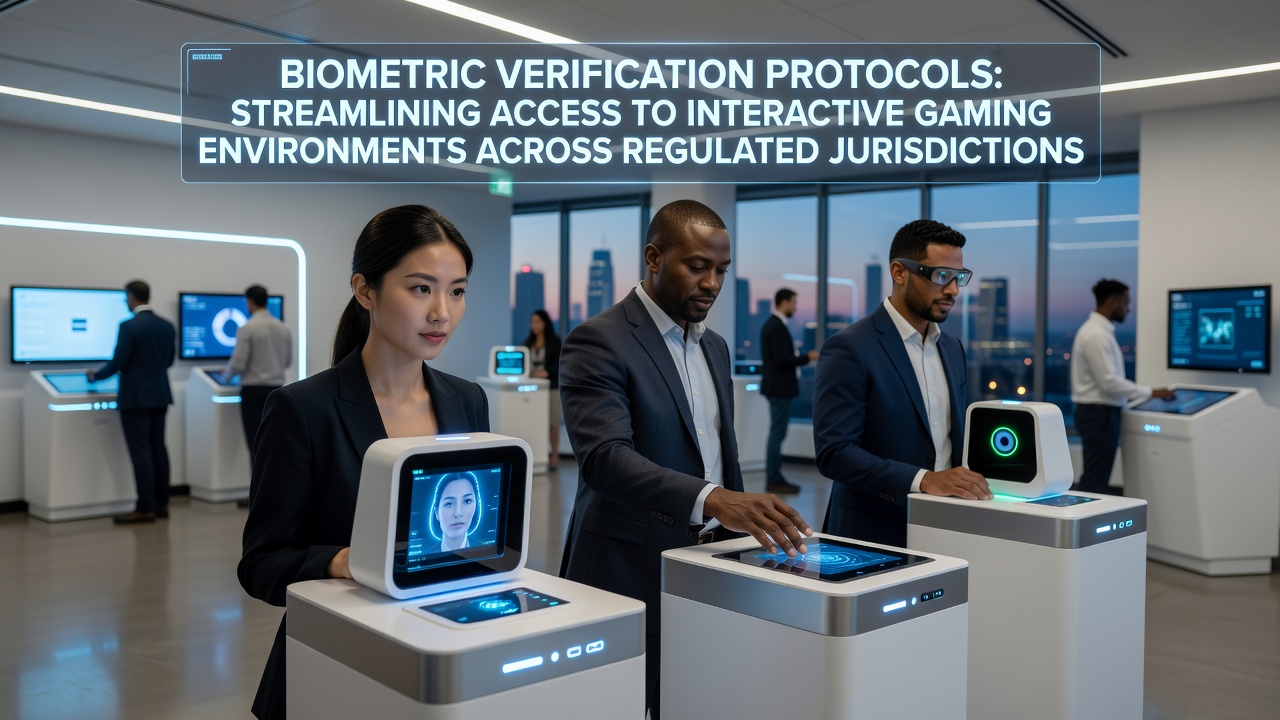
Biometric verification protocols have become central to regulated interactive gaming platforms, where operators must confirm user identity while meeting strict compliance rules across multiple jurisdictions. These systems rely on fingerprints, facial recognition, and iris scans to replace or supplement traditional password and document uploads, which reduces friction during account creation and login sequences. Data from industry implementations shows that such methods cut average verification times from several minutes to under 30 seconds in many cases, allowing players quicker entry into live dealer sessions and slot environments.
Core Mechanisms Behind Biometric Systems
Operators integrate hardware sensors in smartphones and dedicated kiosks with software that captures and matches unique physiological traits against stored templates. Facial recognition algorithms analyze landmarks like eye spacing and jawline contours while fingerprint readers capture ridge patterns for comparison, and these processes occur locally on devices before encrypted data transmits to central servers. Researchers at various technology firms have noted that liveness detection features prevent spoofing attempts by checking for natural movements such as blinking or subtle head tilts during scans.
Jurisdictions like those in the United States require operators to align these tools with state-specific age and identity rules, whereas European frameworks emphasize data protection standards that govern how biometric information gets stored and shared. In June 2026, several platforms reported expanded deployment of multi-factor biometric checks that combine device-based scans with behavioral analytics tracking typing rhythms and navigation patterns.
Operational Advantages in Regulated Markets
Platforms using biometric protocols experience fewer abandoned registrations because users avoid repeated document submissions and manual reviews, and this efficiency extends to ongoing access where returning players authenticate instantly without entering credentials. Transaction speeds improve as verified accounts bypass secondary checks during deposits or withdrawals, which supports seamless participation in high-RTP slot games and live dealer tables.
Security metrics from deployed systems indicate reduced instances of account sharing and unauthorized access since biometric data remains unique to individuals, and operators maintain audit trails that satisfy regulatory reporting demands in places like New Jersey and parts of Canada. One study from academic sources highlighted how these protocols lowered fraud rates by integrating with existing payment gateways to flag inconsistencies in real time.
Implementation Across Different Regulatory Landscapes
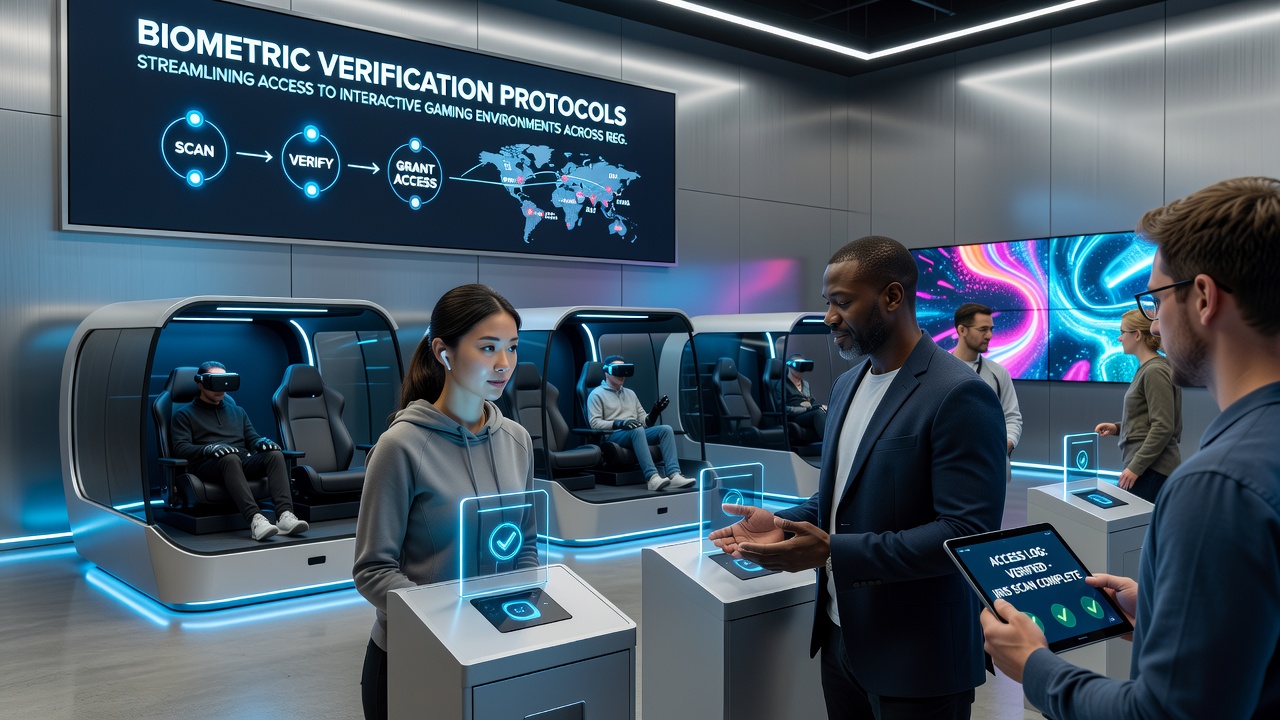
States with established iGaming markets have adopted these protocols to handle cross-border player flows while enforcing geo-fencing requirements, and facial recognition helps confirm location alongside identity during mobile sessions. In contrast, Australian and Canadian regulators have tested pilot programs that pair biometrics with centralized databases to streamline checks for self-exclusion lists and responsible gaming limits.
What's interesting here is how providers adapt the same core technology to local rules without major overhauls, such as incorporating voice biometrics in regions where audio verification aligns with accessibility standards. Figures from the American Gaming Association reveal steady growth in biometric adoption rates among licensed operators through early 2026, driven by demands for faster onboarding in competitive markets.
Integration Challenges and Technical Considerations
Despite the benefits, platforms must address variations in device compatibility since not all smartphones support advanced sensors equally, which leads operators to offer fallback methods like government ID uploads paired with video calls for certain users. Data privacy rules require explicit consent mechanisms and options for template deletion upon account closure, and these steps add layers to the user journey without derailing overall efficiency gains.
Observers note that interoperability between different biometric vendors remains an ongoing focus, especially when players switch between platforms licensed in multiple jurisdictions, and testing protocols ensure consistent false acceptance and rejection rates stay below thresholds set by oversight bodies. In practice, hybrid models that layer biometrics with knowledge-based authentication provide redundancy during peak usage periods.
Future Directions in Verification Technology
Developments in 2026 point toward wider use of cloud-based matching services that offload processing from individual devices, which could further reduce latency in live gaming environments, and partnerships between gaming software providers and biometric specialists continue to refine accuracy across diverse populations. Regulatory updates in various regions are expected to formalize standards for algorithmic transparency and bias mitigation in these systems.
Evidence suggests continued expansion will depend on collaboration between industry groups and government agencies to balance access speed with protective measures, and this approach supports broader participation in regulated interactive gaming without compromising compliance frameworks.
Conclusion
Biometric verification protocols have reshaped entry points into interactive gaming by delivering rapid, secure authentication that aligns with diverse regulatory demands, and their deployment across jurisdictions demonstrates measurable improvements in user flow and operational compliance. As technology evolves alongside policy adjustments, these systems will likely maintain their role in facilitating controlled access to gaming environments while addressing emerging technical and privacy considerations.