16 May 2026
How Software Alliances Shape Crypto Integration and Retention Tools in Portable Platforms

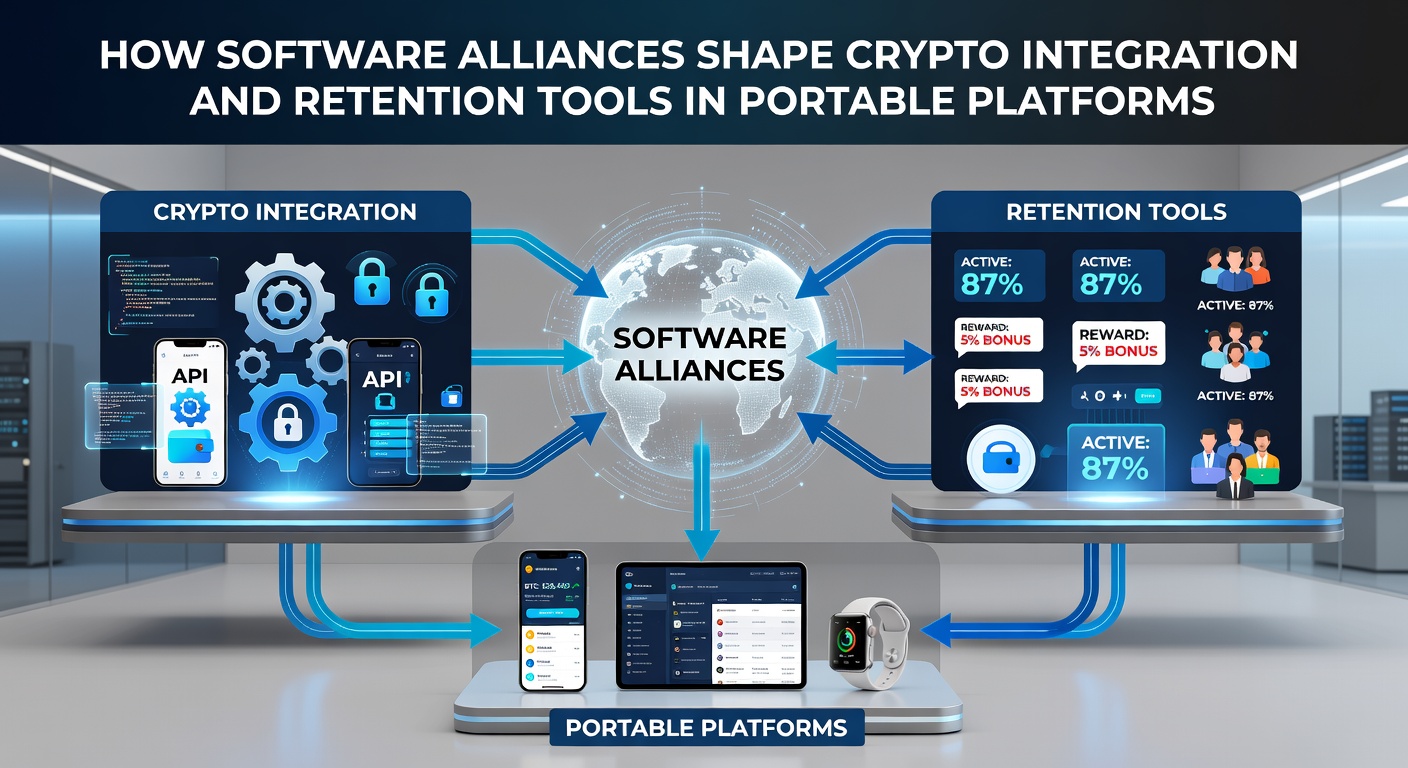
Software alliances between technology companies, blockchain networks, and mobile operating system providers continue to influence how cryptocurrencies embed into portable platforms, while retention mechanisms evolve alongside those partnerships. As of May 2026, industry figures reveal expanded collaborations that standardize wallet functions, secure transaction protocols, and user engagement features across iOS and Android environments. These arrangements allow developers to incorporate digital asset management without rebuilding core infrastructure from scratch, and they connect payment rails directly to existing mobile ecosystems.
Formation of Key Software Alliances
Technology firms and distributed ledger organizations form strategic agreements that define technical standards for crypto operations on handheld devices. One such collaboration involves major cloud service providers working with Layer-2 scaling solutions to reduce latency during token transfers on mobile networks. Observers note that these alliances often include shared security frameworks, which address regulatory requirements in multiple jurisdictions simultaneously. Data from the Bank for International Settlements shows increased adoption of interoperable APIs that permit seamless wallet initialization within popular portable applications.
Crypto Integration Pathways
Integration occurs through modular software development kits supplied by alliance members, enabling app creators to add cryptocurrency support in weeks rather than months. Portable platforms benefit when operating system vendors pre-approve certain cryptographic libraries, which streamlines approval processes in app stores. Researchers at the National Institute of Standards and Technology documented how these standardized toolkits maintain encryption consistency across devices from different manufacturers. Users therefore encounter fewer compatibility issues when moving assets between phones and tablets, while transaction confirmations accelerate due to optimized node connections established through partnership agreements.
Retention Tools Powered by Alliances
Retention features in portable crypto applications rely on data-sharing protocols agreed upon by alliance participants, allowing personalized reward structures based on user activity patterns. Loyalty programs now issue tokenized incentives that remain compatible across multiple wallet providers, which encourages continued engagement without forcing users to migrate assets. Figures from the Australian Securities and Investments Commission indicate that such cross-platform reward systems contribute to higher session durations on mobile devices. Developers implement push notifications and progressive unlocking mechanisms through these shared frameworks, keeping participants active over extended periods.
Technical Standards and Security Measures
Alliance-driven standards cover multi-signature authentication and hardware-backed key storage, both essential for portable platforms where devices change hands frequently. These specifications reduce vulnerability points that previously arose when individual developers implemented custom solutions. Evidence from academic studies published by university research centers demonstrates measurable declines in unauthorized access incidents following widespread adoption of alliance-recommended protocols. Portable applications therefore maintain compliance with evolving data protection rules across regions, while users experience consistent security prompts regardless of the underlying device manufacturer.
Market Impact and Adoption Trends
Market data compiled in early 2026 shows portable platforms hosting a growing share of cryptocurrency transactions, largely because alliance agreements lowered entry barriers for smaller application developers. Retention metrics improve when tools such as automated staking interfaces and real-time portfolio analytics become standard features through shared code libraries. Those who track industry reports observe that regions with supportive regulatory frameworks witness faster rollout of these integrated capabilities, creating visible differences in user retention rates compared with more restrictive markets.
Future Outlook for Portable Platforms
Continued alliance activity points toward deeper embedding of decentralized identity solutions within mobile operating systems, which would further simplify onboarding while strengthening retention through verified user histories. Portable platforms stand to gain additional functionality as alliance members coordinate on cross-chain communication layers that operate efficiently on limited battery and bandwidth resources. Current trajectories suggest these developments will maintain momentum through the remainder of 2026 and beyond.
Conclusion
Software alliances reshape crypto integration by supplying unified toolkits and security standards that portable platforms adopt readily, while retention tools gain effectiveness through shared data protocols and reward mechanisms. The resulting environment supports broader accessibility and sustained user participation across mobile devices. Ongoing coordination among participants ensures that technical and regulatory challenges receive coordinated responses, sustaining growth in cryptocurrency usage on handheld platforms.