20 Jul 2026
Investigating Synchronization Protocols Between Biometric Verification and Progressive Jackpot Networks in Multi-State Digital Gaming Platforms
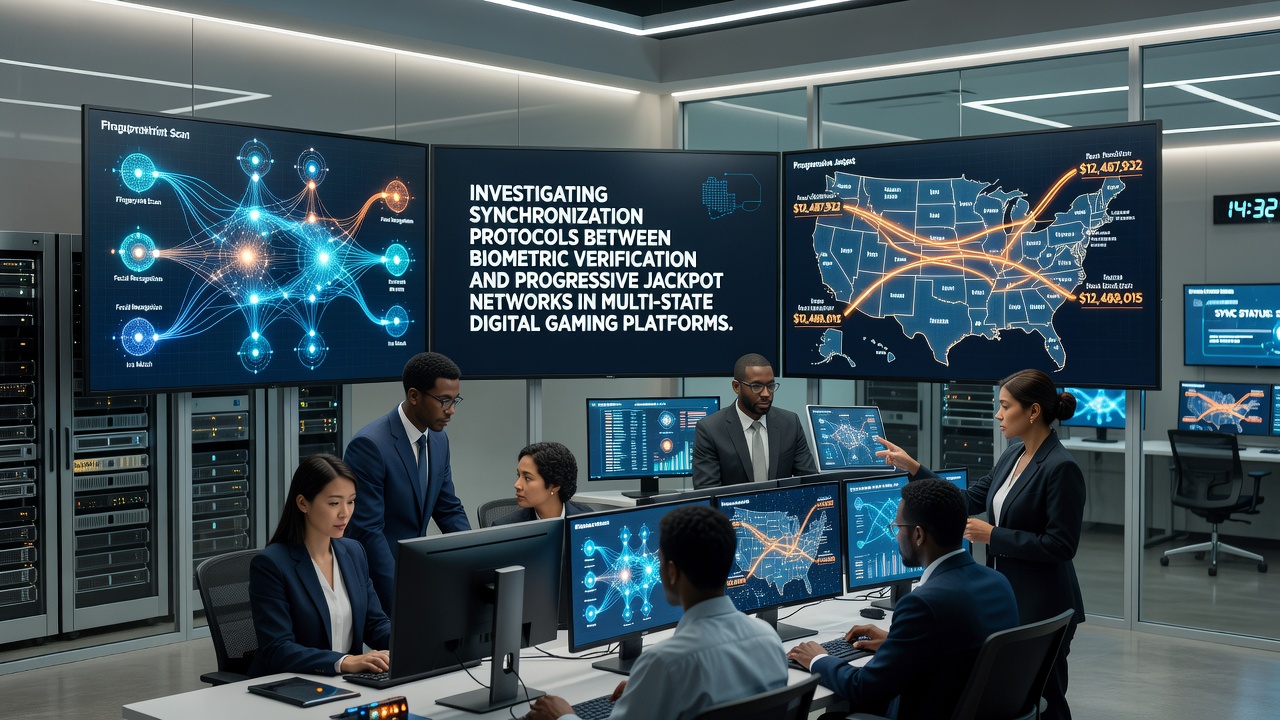
Multi-state digital gaming platforms rely on synchronization protocols that link biometric verification systems directly to progressive jackpot networks, allowing real-time player authentication alongside jackpot contribution tracking and payout processing across jurisdictions. These protocols address latency issues, data integrity requirements, and regulatory compliance demands that arise when operators manage player sessions spanning several states at once.
Core Components of Biometric Verification in Gaming Environments
Biometric verification employs fingerprint, facial recognition, and iris scanning technologies to confirm player identity before access to gaming features occurs. Data shows that platforms integrate these methods through API endpoints that feed verified player profiles into central servers managing jackpot pools, while state-specific rules govern how quickly verification data must transmit to avoid session disruptions. Observers note that July 2026 updates from several regulatory bodies have emphasized standardized encryption formats for biometric templates to support cross-border data flows without exposing raw identifiers.
Progressive Jackpot Network Architecture
Progressive jackpot networks aggregate contributions from wagers placed on connected machines or digital terminals, building shared prize pools that grow until triggered. Synchronization occurs when verified player accounts trigger contribution logs that update jackpot meters instantaneously, and researchers have documented how these networks use distributed ledger elements or centralized databases to maintain consistent values across multiple state lines. According to reports from the New Jersey Division of Gaming Enforcement, such systems must reconcile contributions within milliseconds to prevent discrepancies during high-volume periods.
Protocol Mechanisms for Cross-State Synchronization
Protocols such as real-time messaging queues and blockchain-inspired timestamping facilitate the handoff of biometric confirmation signals to jackpot controllers, ensuring that only authenticated players influence pool growth or receive payouts. Experts have observed that these mechanisms incorporate fallback procedures for network partitions, allowing local verification caches to operate temporarily while re-establishing connections to the central jackpot ledger. One study from the University of Nevada, Reno examined latency patterns in similar setups and found that optimized protocols reduced synchronization delays by coordinating biometric hash exchanges with jackpot increment packets over dedicated channels.
Multi-state operators face additional layers of complexity because each jurisdiction maintains distinct rules for player age verification, responsible gaming flags, and tax reporting tied to large jackpot wins. Synchronization protocols therefore embed compliance checks that query state databases during biometric validation, then route approved sessions to the appropriate jackpot segment without manual intervention.
Security Considerations in Data Transmission
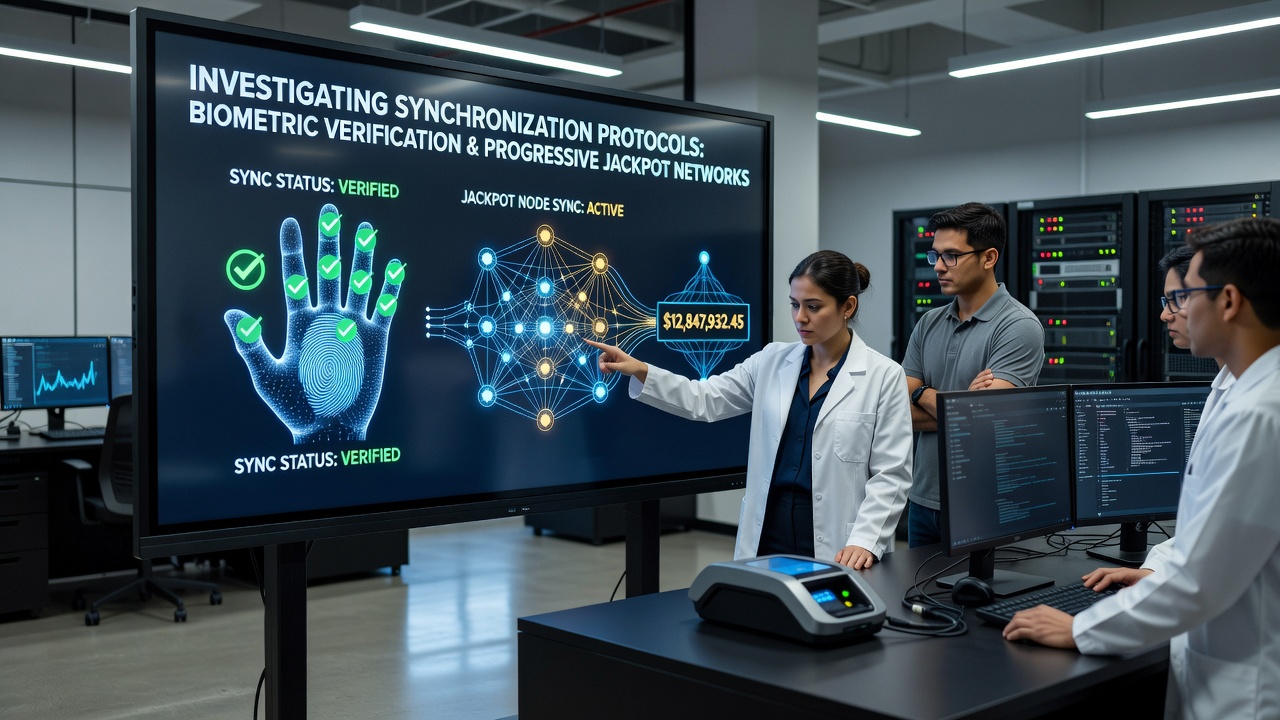
Encryption standards including AES-256 and elliptic curve cryptography protect biometric data during transit between verification modules and jackpot management servers. Figures from industry analyses reveal that platforms conducting regular penetration testing have identified vulnerabilities in timing-based attacks that could expose jackpot states if synchronization packets lack sufficient randomization. Those who manage these systems often deploy tokenization methods that replace biometric identifiers with session-specific tokens, limiting exposure while preserving the ability to audit jackpot contributions back to verified accounts.
Regulatory Developments Affecting Protocol Design
State gaming commissions in Illinois, Pennsylvania, and Michigan have issued guidance requiring audit trails that link each biometric authentication event to corresponding jackpot activity. In July 2026, collaborative working groups among these commissions began evaluating unified reporting formats that would allow operators to submit synchronized logs covering all participating jurisdictions in a single stream. Data indicates that such standardization reduces administrative overhead while maintaining the granularity needed for dispute resolution and tax allocation.
Industry organizations like the American Gaming Association have published frameworks outlining minimum protocol requirements for biometric-to-jackpot interfaces, focusing on interoperability testing across vendor platforms. These guidelines encourage the use of open standards for message formatting so that new state entries into regulated markets can integrate without extensive custom development.
Implementation Examples Across Platforms
Take one operator managing platforms in three states that deployed a hybrid protocol combining RESTful APIs for initial biometric enrollment with WebSocket channels for ongoing jackpot updates. This approach enabled seamless handoffs when players moved between state-specific lobbies, and transaction logs confirmed that jackpot contributions remained accurate even during peak evening hours. Another case involved a provider that incorporated machine learning models to predict synchronization bottlenecks, adjusting packet priorities based on real-time network conditions reported from each jurisdiction.
Conclusion
Synchronization protocols between biometric verification and progressive jackpot networks continue to evolve as multi-state digital gaming expands. Regulatory coordination, technical refinements in encryption and messaging, and ongoing testing ensure that player authentication aligns reliably with jackpot operations while meeting jurisdictional demands. Continued examination of these systems provides insight into how platforms maintain operational consistency across expanding geographic footprints.