13 Jun 2026
Mapping How Interface Customizations Align Crypto Wallet Features with Live Dealer Mechanics in US Mobile Platforms
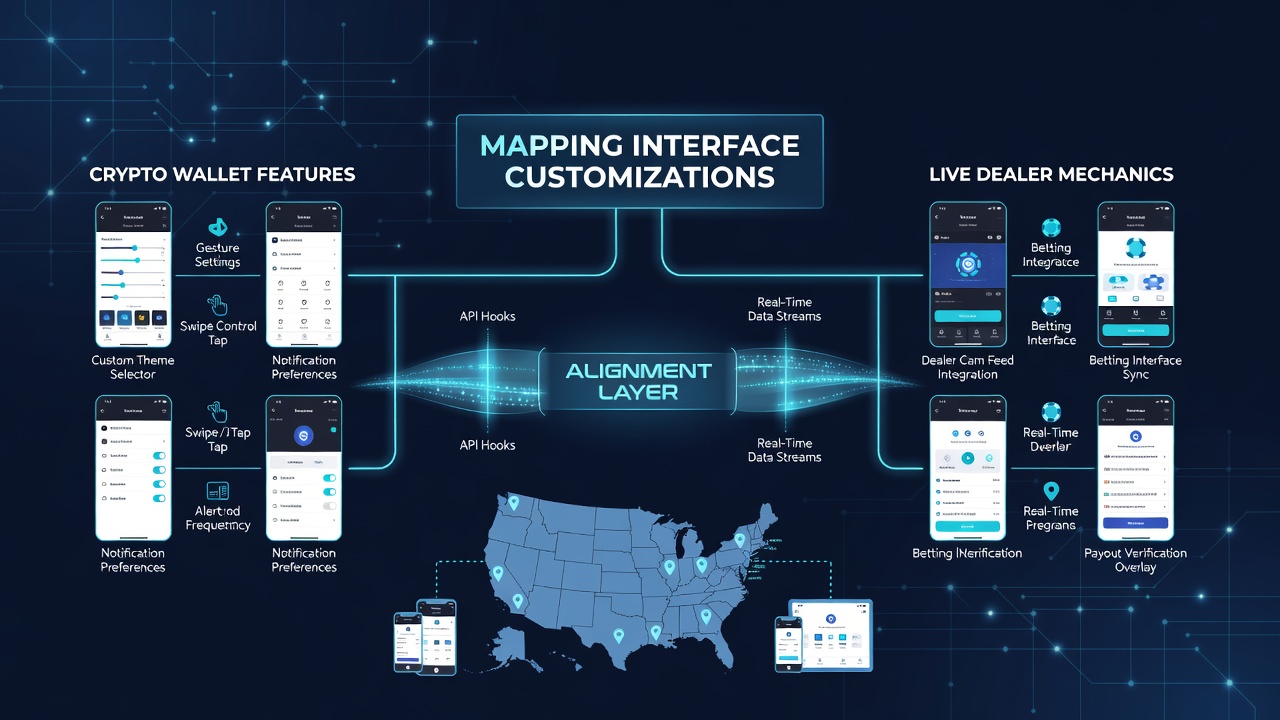
US mobile platforms continue to refine how crypto wallet connections mesh with live dealer environments through targeted interface adjustments that place deposit options and balance displays directly within active game views. Observers note that these adjustments allow players to maintain continuous engagement with tables without navigating away from the dealer feed or chat functions.
Core Elements of Crypto Wallet Integration in Mobile Live Dealer Setups
Developers map wallet APIs into live dealer sessions by embedding transaction prompts that appear alongside betting controls so users can fund accounts or withdraw winnings while a dealer handles cards or wheels in real time. Research from industry reports indicates that platforms operating in states with regulated igaming have adopted these patterns since early 2025 with further refinements rolling out through mid-2026. Data from multiple operators shows transaction completion times averaging under eight seconds when the interface keeps wallet selectors within the primary game layer rather than routing users to separate menus.
Custom buttons for crypto networks such as those supporting instant transfers appear in the lower third of the screen during live sessions and expand to reveal network fees plus confirmation steps without pausing the dealer stream. Experts have observed that this layout reduces session interruptions because players stay focused on table dynamics while managing funds through the same view.
Interface Adjustments That Support Real-Time Dealer Interactions
Live dealer mechanics on mobile require interfaces that scale video feeds and betting panels to accommodate wallet overlays without crowding the screen. Teams achieve this by using collapsible side panels that slide in from the edge when a player taps a balance indicator or selects a crypto asset. Studies from platform analytics groups reveal that such sliding elements improve retention metrics because they preserve the immersive quality of the dealer interaction.
Color coding and icon placement further align wallet features with game flow. Green accents mark confirmed deposits while amber tones signal pending network confirmations so users can track status at a glance during fast-paced rounds like blackjack or roulette. In June 2026 several operators updated their mobile codebases to include predictive balance projections that estimate available funds after accounting for open bets which helps players decide on additional crypto transfers mid-session.
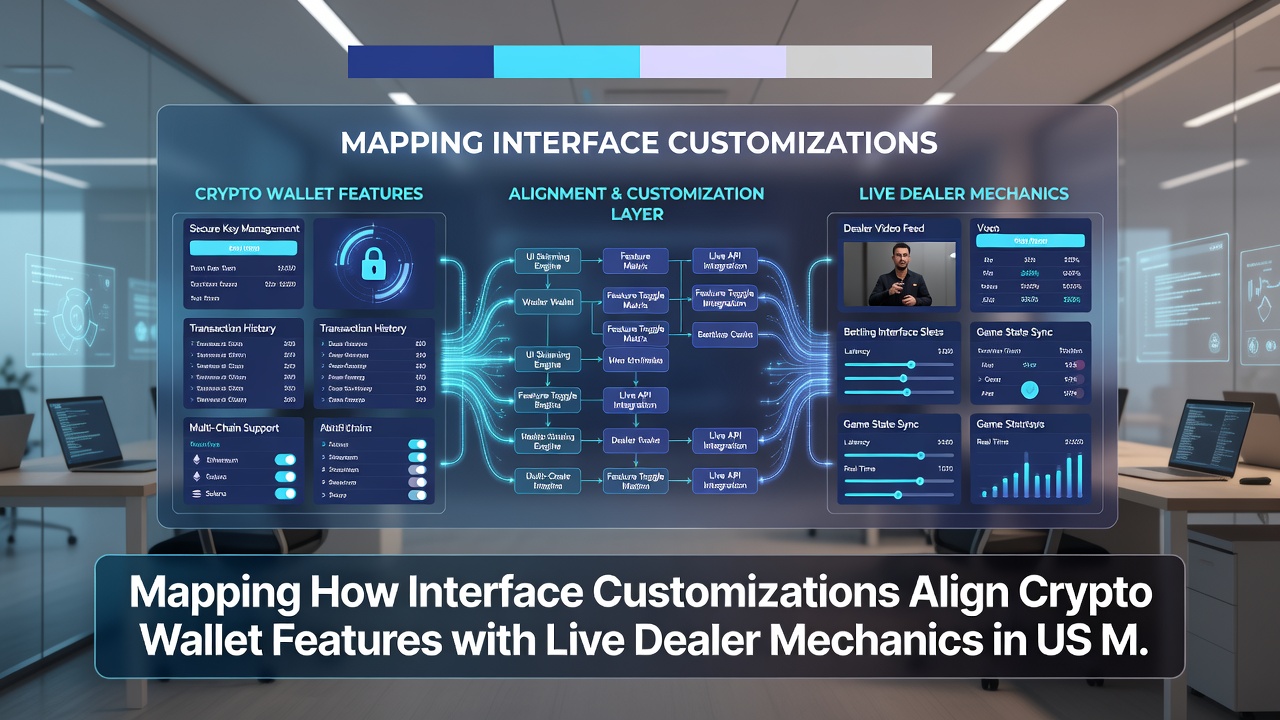
Alignment Patterns Across Major US Mobile Platforms
Platforms licensed in New Jersey and Pennsylvania demonstrate consistent mapping strategies where wallet selection menus trigger only when the dealer pauses between rounds to minimize distraction. According to figures from the New Jersey Division of Gaming Enforcement igaming transaction volumes involving crypto rose steadily through the first half of 2026 with mobile devices accounting for the majority share. These volumes reflect interface designs that position wallet actions near the bet confirmation area so users execute transfers and place wagers in sequence without leaving the live view.
Additional customizations include gesture-based triggers such as long-press actions on the dealer video that summon wallet shortcuts. Operators report that gesture support increases usage of crypto features during live sessions compared to tap-only interfaces. Research indicates that multi-clause prompts which display both network status and estimated arrival times help users anticipate funding delays before they affect betting opportunities.
Data Trends and Platform Collaborations in 2026
Collaboration between wallet providers and game studios has produced standardized APIs that feed live balance updates directly into the mobile UI layer. Figures reveal that platforms adopting these standards recorded higher average session lengths in live dealer categories through spring and into June 2026. One study highlighted how synchronized data streams prevent mismatches between displayed wallet totals and actual on-chain balances during rapid dealer rounds.
Turnout for these features appears strongest on devices running recent operating systems where background processes allow seamless wallet polling without draining resources. Observers note that interface scaling for tablets versus phones requires separate layout rules to keep dealer mechanics prominent while wallet elements remain accessible yet unobtrusive.
Conclusion
Mapping efforts across US mobile platforms show steady progress in aligning crypto wallet operations with live dealer requirements through precise interface placements and timing controls. Data from regulatory filings and operator reports confirm that these adjustments support continuous play while meeting technical demands of both wallet networks and dealer video streams. As platforms release further updates in coming months the patterns established by mid-2026 provide a foundation for additional refinements in transaction visibility and session continuity.