23 Jul 2026
Player Preference Shifts Toward Integrated Reward Systems in Regulated Mobile Gaming Environments
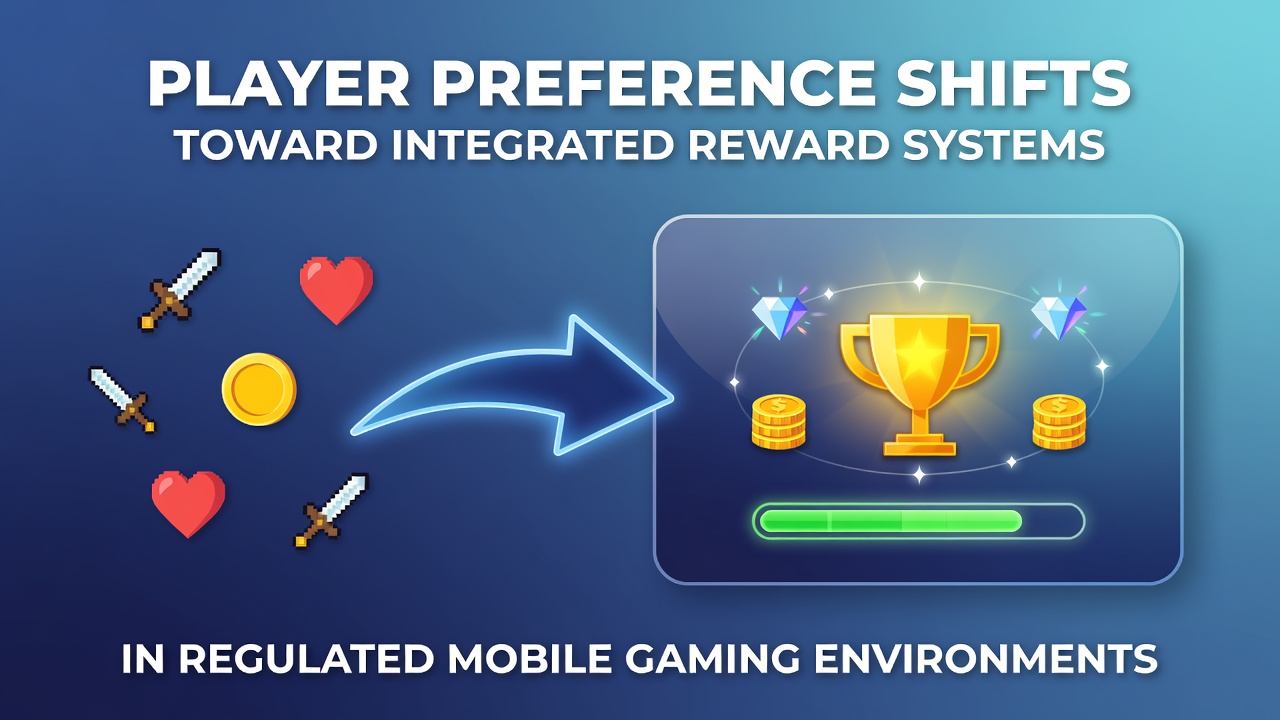
Regulated mobile gaming markets have recorded measurable increases in player engagement with reward systems that combine loyalty points, cashback mechanics, and personalized bonuses into single platform interfaces, according to data compiled through mid-2026. Observers note that these integrated systems allow users to track progress across slots, table games, and live dealer sessions without switching between separate menus or apps. Research from multiple jurisdictions shows that participation rates in such programs rose steadily between 2024 and 2026 as operators updated their mobile offerings to meet new compliance standards.
Regulatory Developments Shaping Mobile Reward Integration
State-level gaming commissions in the United States and provincial regulators in Canada have introduced updated guidelines that encourage or require seamless reward tracking within licensed applications. These rules emphasize transparent point accrual and redemption processes while maintaining strict age verification and spending limit features. In July 2026 several jurisdictions released consolidated reports indicating that platforms with unified reward dashboards experienced higher session completion rates compared with those relying on fragmented bonus structures. The New Jersey Division of Gaming Enforcement published figures showing a 17 percent increase in active loyalty accounts on mobile platforms during the first half of the year, a trend attributed to streamlined integration rather than standalone promotions.
European markets have followed a similar path through national licensing bodies that mandate clear display of reward terms within the primary app interface. Data collected by the Australian Gambling Research Centre reveals that operators incorporating wallet-linked reward balances saw reduced player drop-off during bonus qualification periods. Those findings align with patterns observed in North American data, where unified systems reduce the number of clicks required to claim offers and view accumulated benefits.
Player Behavior Patterns and Platform Metrics
Analytics firms tracking regulated mobile environments report that users increasingly favor applications where reward tiers adjust automatically based on play frequency and wager size. This preference appears in session-length statistics that show longer average play times on platforms with dynamic loyalty integration. One multi-state study conducted by academic researchers found that players who accessed combined reward and wallet features completed 22 percent more transactions per month than those using older segmented menus.
Transaction logs from licensed operators indicate that integrated systems also correlate with higher redemption rates for accumulated points, particularly when those points convert directly into playable credits or entry into tiered events. The reality is that players navigate fewer screens to understand their current status, which reduces friction during active sessions. Industry reports compiled for the second quarter of 2026 highlight that mobile-first operators who unified their reward engines recorded stronger retention curves across demographic segments, including both new registrants and established users.
Technology Collaborations Driving System Updates
Software providers and platform operators have formed targeted partnerships to embed reward calculation engines directly into live gaming modules and slot libraries. These collaborations allow real-time updates to player balances and tier status without requiring separate server calls. Figures from technology vendors show that such integrations cut latency in reward notifications by an average of 40 percent compared with legacy architectures. Observers tracking the sector note that the resulting smoother experience aligns with regulatory expectations for clear, immediate feedback on player activity.
Wallet connectivity features now commonly link directly to loyalty accounts, enabling automatic crediting of cashback or bonus funds once qualifying play thresholds are met. Canadian provincial data released in early 2026 documented a measurable uptick in cross-game reward participation after operators introduced these linked systems. Similar patterns emerged in reports covering Illinois and Pennsylvania markets, where mobile revenue components expanded alongside the rollout of unified loyalty interfaces.
Comparative Data Across Jurisdictions
Cross-border comparisons compiled by independent research groups illustrate that regulated environments with mature mobile licensing frameworks tend to show faster adoption of integrated reward tools. In markets where regulators require visible, auditable reward mechanics, operators report fewer player inquiries regarding bonus status and redemption rules. A 2026 industry overview covering multiple U.S. states and Australian states found that platforms emphasizing single-app reward visibility achieved higher average revenue per user in mobile segments than those maintaining separate bonus portals.
Those same datasets indicate that the shift toward integration has not altered overall responsible gaming tool usage rates, suggesting that unified systems can coexist with mandatory limit-setting functions. Regulatory filings from July 2026 onward continue to emphasize the importance of maintaining clear separation between reward tracking and financial transaction records, a requirement that operators have addressed through compartmentalized but interconnected software modules.
Conclusion
Available metrics through July 2026 demonstrate that player activity in regulated mobile gaming environments increasingly centers on platforms offering consolidated reward systems. Government reports and academic analyses from varied regions document higher engagement levels when loyalty features, wallet functions, and game libraries operate within unified interfaces. Continued regulatory guidance in the United States, Canada, and Australia supports this direction while enforcing transparency and player protection standards. The patterns observed reflect measurable platform adjustments rather than isolated promotional tactics, and further data releases expected later in the year will provide additional context on long-term retention outcomes.