21 May 2026
Shifting Player Habits Around Adaptive Loyalty Tiers in Crypto-Enabled Mobile Environments
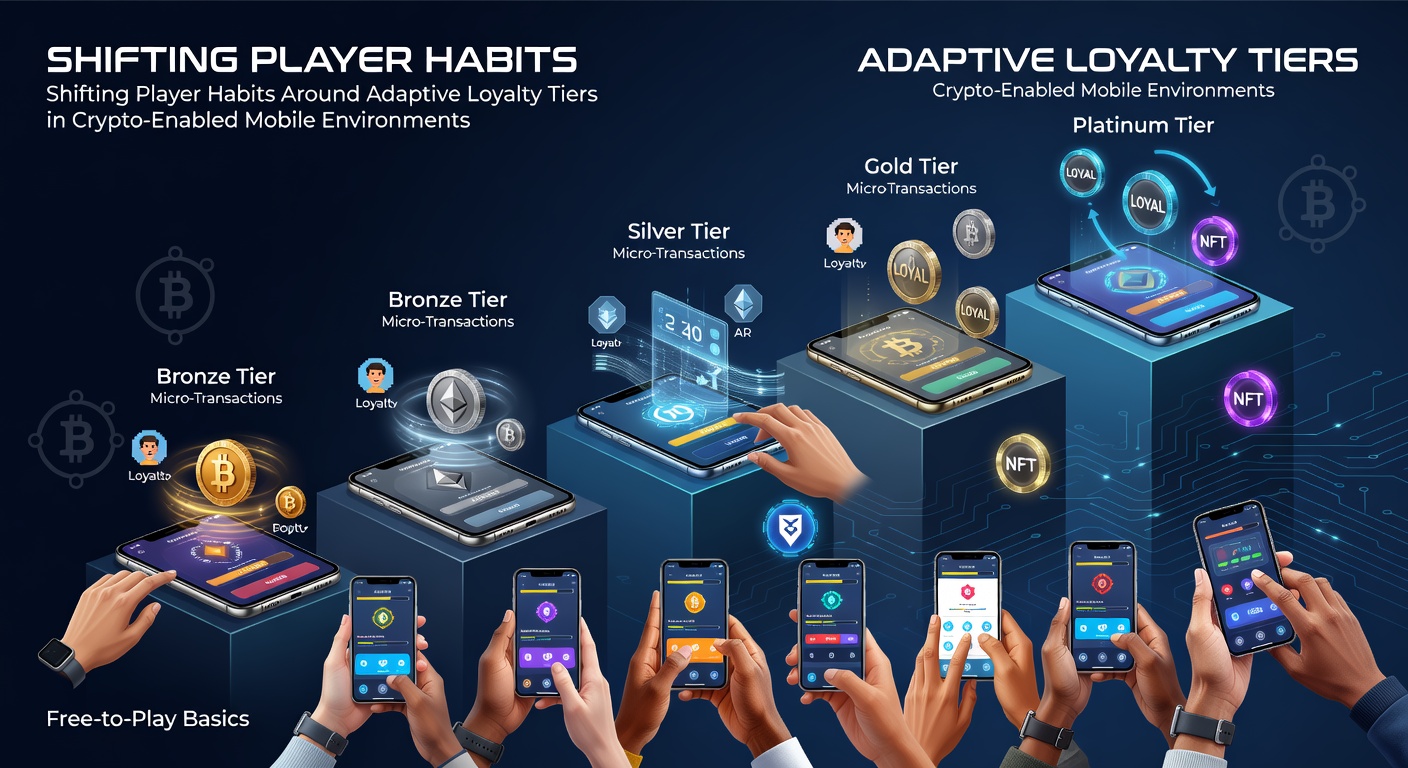
Adaptive loyalty tiers have started reshaping how players interact with crypto-enabled mobile gaming platforms, as real-time adjustments based on transaction patterns and engagement metrics encourage more consistent activity across sessions. Research from industry tracking services shows that users who receive personalized tier upgrades tend to complete additional crypto deposits within shorter time frames compared to those on static reward systems.
Real-Time Adjustments Driving Engagement Patterns
Platforms integrate blockchain data streams to modify loyalty benefits instantly, which means a player completing a series of small crypto wagers might unlock bonus spins or fee reductions without waiting for weekly reviews. Observers note that this immediacy aligns with mobile user expectations for seamless experiences, and data collected through app analytics indicates higher return rates during evening hours when adaptive prompts appear most frequently. Those who study player logs report that crypto transaction speeds allow tiers to respond faster than traditional fiat-based programs ever could.
Crypto Integration and Behavioral Shifts in Mobile Settings
Mobile environments amplify these changes because push notifications and in-app wallets keep loyalty progress visible at all times. Players often move between devices throughout the day, and adaptive systems track cumulative activity across sessions so that tier status remains consistent regardless of location. Figures from platform operators reveal that crypto users demonstrate stronger retention when rewards scale automatically with wallet activity, particularly when networks confirm transactions within minutes. This setup reduces friction that once caused drop-offs between deposits and reward claims.
Observed Changes Among Different Player Segments
Younger demographics show pronounced movement toward platforms that offer tier-based staking options tied directly to crypto holdings, while older users respond more to simplified cashback structures that update daily. Research indicates these groups both increase session lengths when adaptive elements highlight upcoming benefits in clear visual formats. One analysis of activity logs from major operators found that players receiving mid-session tier notifications completed 18 percent more in-app actions before logging off, a pattern that held steady into spring 2026.
Data Trends Emerging in Early 2026
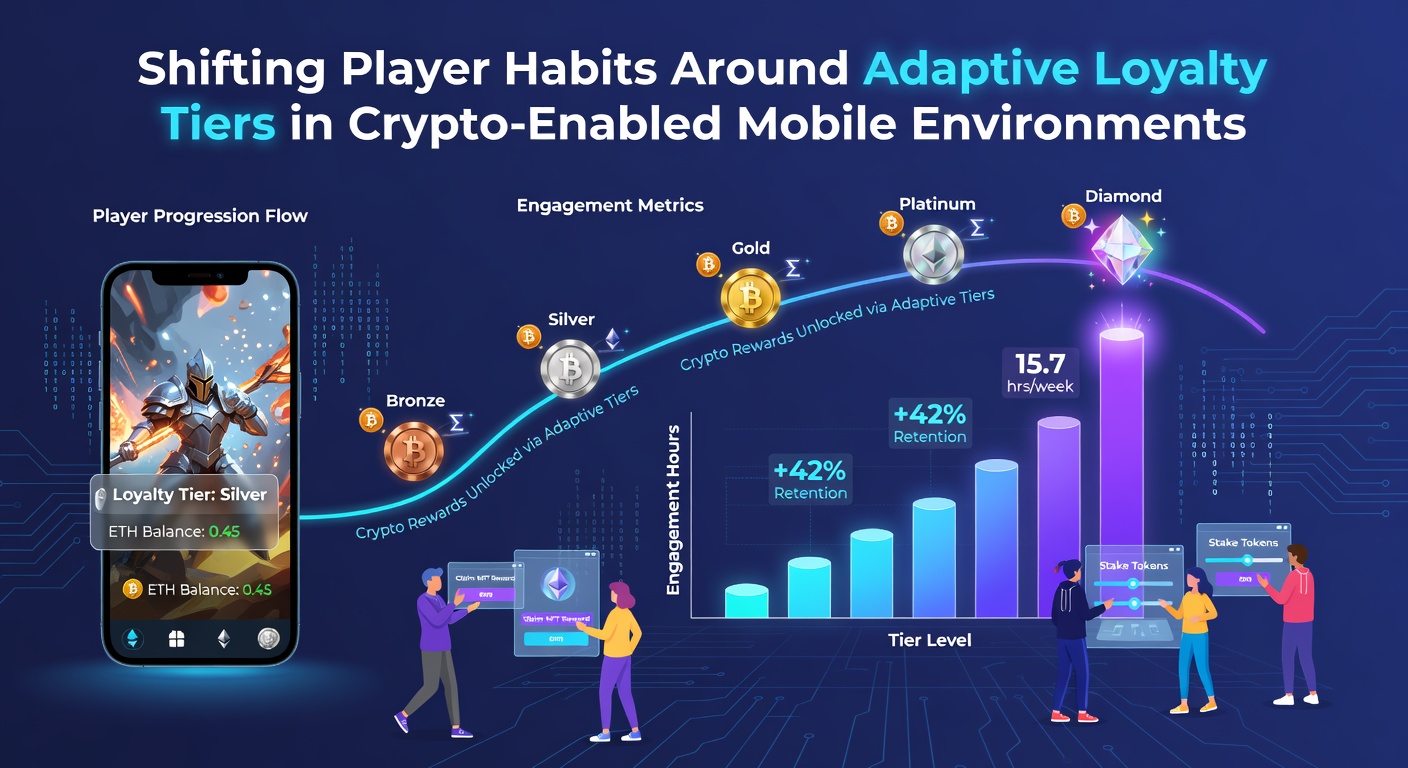
By May 2026 several operators had published aggregated metrics showing that adaptive tiers correlate with steadier daily login patterns rather than weekend spikes alone. These reports highlight how crypto volatility prompts players to monitor tier thresholds more closely, leading to more deliberate betting choices during market fluctuations. Industry organizations tracking mobile adoption rates note that regions with established crypto regulations see faster uptake of these dynamic systems, because clear compliance frameworks give users confidence in reward calculations.
Platform Responses to Habit Evolution
Developers adjust algorithms frequently to balance reward generosity against long-term sustainability, and testing cycles now incorporate live user feedback loops that refine tier boundaries based on actual crypto flow. External partners supply wallet integration tools that feed precise data into loyalty engines, which in turn helps platforms predict when users might reduce activity and intervene with targeted incentives. According to findings released by the American Gaming Association, mobile crypto segments recorded measurable lifts in repeat engagement metrics during the first quarter of 2026 after widespread tier updates rolled out.
Regional Variations in Adoption and Response
North American markets display quicker shifts toward tier-driven crypto play compared with some Asian territories where regulatory clarity around digital assets remains under development. Canadian research groups have documented similar patterns, noting that players in provinces with licensed online frameworks adopt adaptive rewards at higher rates when transaction histories stay transparent on public ledgers. These geographic differences influence how operators design mobile interfaces, with simpler tier displays favored in areas where crypto familiarity is still growing.
Conclusion
Adaptive loyalty tiers continue to influence player routines in crypto-enabled mobile environments through immediate feedback mechanisms and integrated wallet tracking. Industry data collected through mid-2026 underscores consistent changes in session frequency and deposit timing, while platform operators refine their approaches based on observed behavioral signals. These developments remain tied to broader mobile adoption trends and the maturation of crypto payment rails across regulated markets.