23 May 2026
Tracing Provider Tactics for Merging High RTP Mechanics with No-Deposit Crypto Options in Portable Live Gaming Setups
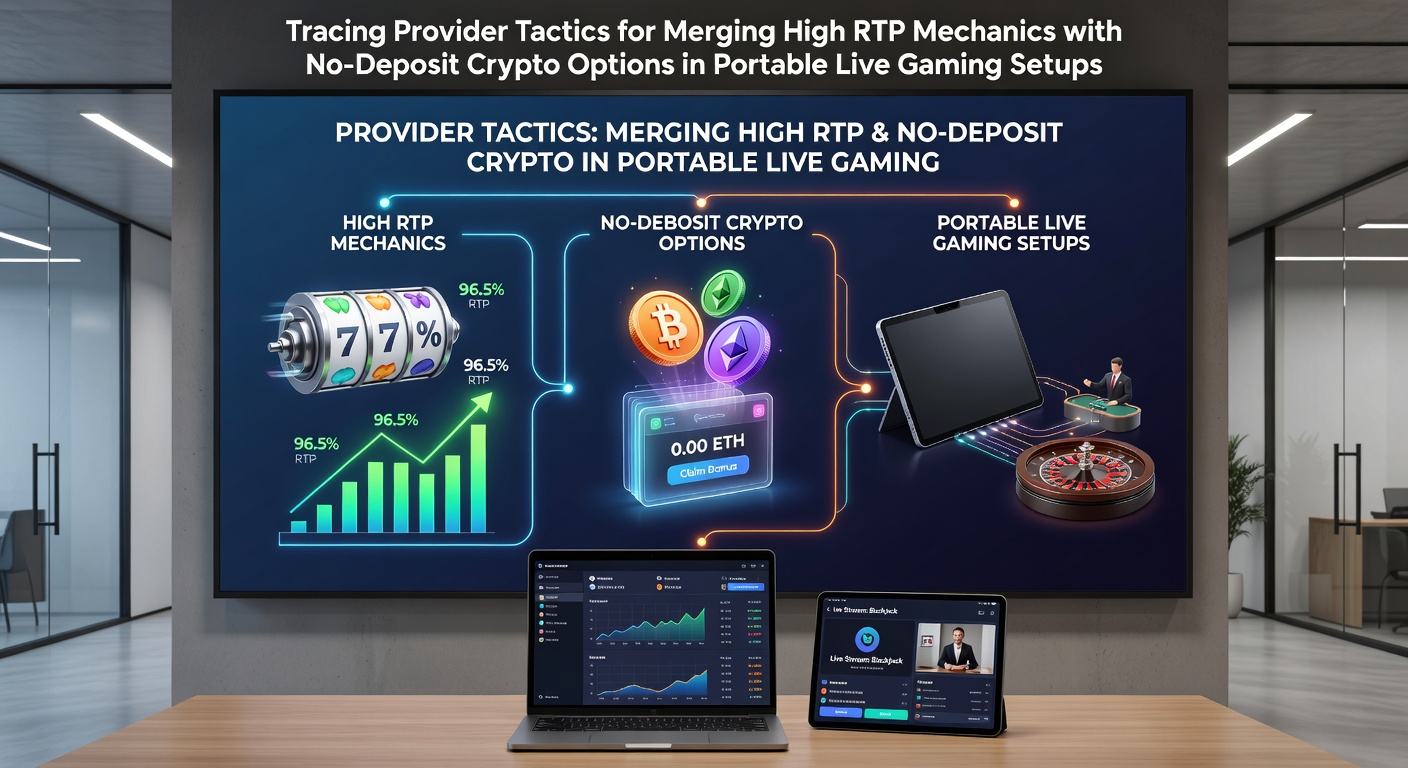
Game providers have developed systematic approaches to combine elevated return-to-player percentages with no-deposit cryptocurrency incentives inside mobile live dealer environments, and these methods continue to evolve through 2026. Data from industry tracking services indicate that live gaming sessions on smartphones and tablets now account for a growing share of overall platform activity, particularly when paired with instant crypto funding mechanisms that require no initial player deposit. Providers achieve this integration by aligning mathematical models that deliver RTP rates above standard thresholds with wallet verification systems that process bonus credits in cryptocurrency form.
Core Mechanics Behind High RTP Integration
High RTP configurations rely on adjusted probability tables that return between 96 and 98 percent of wagers over extended play cycles, and software teams embed these tables directly into live-streamed table games and slots accessible through mobile applications. Engineers calibrate reel weights and dealer card distributions to maintain transparency while meeting regulatory benchmarks for fairness, and the same calibration processes now accommodate crypto transaction layers that credit accounts without traditional banking delays. Observers note that portable platforms benefit because mobile processors handle these calculations efficiently, allowing real-time RTP displays alongside live video feeds.
No-Deposit Crypto Structures in Practice
No-deposit promotions funded through cryptocurrency operate by generating unique wallet addresses that players claim upon registration, after which bonus amounts convert automatically into playable credits measured against the same RTP parameters as cash wagers. Transaction logs from multiple operators show settlement times under 60 seconds when using established coins, which removes friction that once separated bonus activation from live dealer participation. In May 2026 several platforms expanded these options to include additional stablecoins, thereby broadening geographic reach while preserving the no-deposit requirement across different regulatory jurisdictions.
Portable Platform Adaptations
Live gaming setups designed for mobile devices incorporate adaptive streaming protocols that maintain video quality on variable network connections, and providers synchronize these streams with backend systems that track both RTP performance and crypto bonus balances simultaneously. Developers use containerized code modules so that a single game instance can switch between fiat and crypto ledgers without interrupting the live session. This modular design reduces latency on tablets and phones, enabling continuous play that aligns with the higher RTP targets set by the underlying algorithms.
Provider Collaboration Patterns
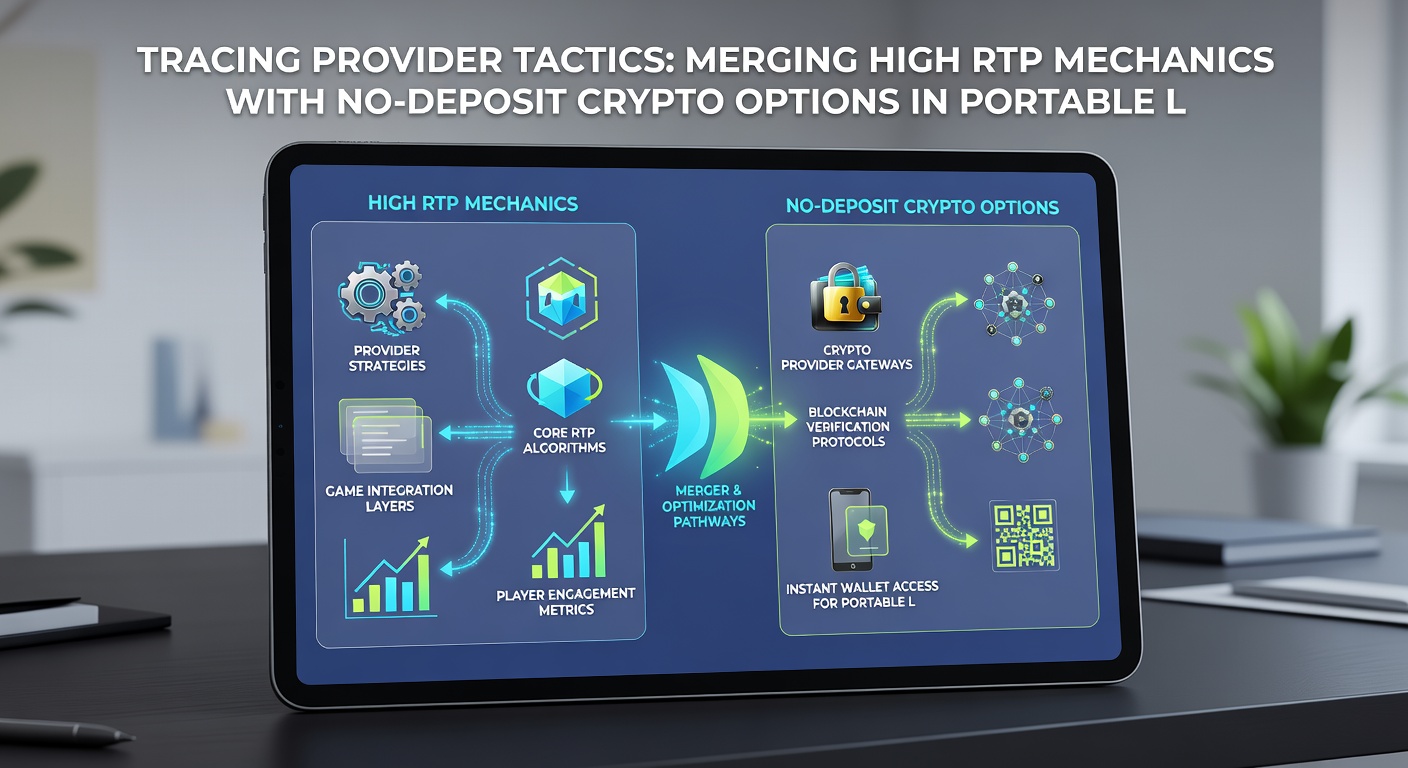
Software studios partner with payment processors specializing in cryptocurrency to embed verification APIs that confirm eligibility for no-deposit offers before any live round begins. These partnerships allow providers to maintain consistent RTP reporting across multiple operators, because the same game engine feeds data to centralized monitoring dashboards used by regulators. Reports from the Nevada Gaming Control Board illustrate how such integrations undergo periodic audits to verify that bonus mechanics do not alter declared RTP percentages. Similar oversight appears in Canadian provincial frameworks where mobile live gaming receives explicit licensing pathways that accommodate digital asset transactions.
Regulatory and Technical Oversight in 2026
By May 2026 licensing authorities across several U.S. states and European markets require explicit documentation of how no-deposit crypto credits interact with RTP calculations, and providers respond by publishing technical white papers that detail seed values and payout distributions. Research institutions such as the University of Nevada, Reno have published comparative studies examining mobile versus desktop RTP consistency under crypto-funded conditions. These studies confirm that properly implemented systems preserve statistical outcomes regardless of funding method, which supports continued expansion of portable live offerings.
Implementation Examples Across Markets
One documented case involves a European operator that layered a no-deposit crypto bonus onto a live roulette product already calibrated to 97.3 percent RTP, resulting in measurable increases in session duration according to anonymized telemetry shared with industry analysts. Another example from Australian-facing platforms shows integration of stablecoin bonuses with live blackjack tables, where RTP meters update in real time on mobile screens. Such implementations rely on identical random number generation protocols whether the stake originates from a bonus wallet or a deposited balance.
Conclusion
Providers continue to refine the technical and operational linkages between high RTP mechanics, no-deposit cryptocurrency incentives, and portable live gaming environments. Ongoing audits by bodies including the Nevada Gaming Control Board and academic reviews from institutions such as the University of Nevada, Reno supply the factual baseline against which these tactics are measured. As mobile infrastructure advances through 2026, the documented methods ensure that RTP integrity and instant crypto bonus delivery remain compatible within regulated live dealer frameworks.